

Rider Measurements
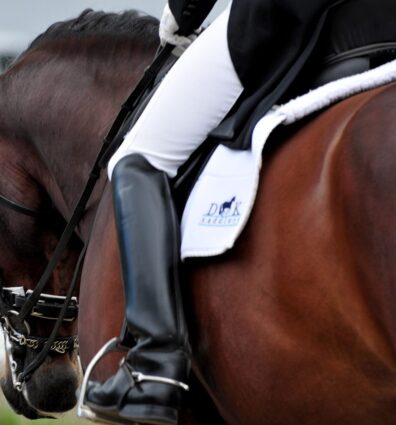
Why are Rider Measurements Important?
Accurate rider measurements are essential to ensure a saddle fits both the horse and rider perfectly. A saddle that is not properly sized for the rider can lead to discomfort, imbalance, and poor posture, which can negatively affect communication with the horse and overall performance. When a saddle seat is too small or too large, the rider's weight may not be evenly distributed, causing pressure points that can lead to discomfort or injury for the horse. Correct rider measurements, such as hip, thigh, and leg length, allow for a saddle that supports proper alignment, balance, and security in the seat, enabling the rider to move in harmony with the horse. This attention to detail ensures a comfortable and effective riding experience for both horse and rider.
Step by Step Instructions
-
Create a Riding Leg:
- Stand with your legs shoulder-width apart.
- Have someone place three fingers in front of your toes.
- While standing upright, bend your knees until you can no longer see their fingers. This mimics your riding position.
-
Measure Your Hips:
- Measure around the largest part of your hips, including your buttocks.
- This measurement is critical for determining the proper saddle seat size.
- Take this measurement several times and record the largest number.
-
Measure Your Thigh:
- Measure the largest part of your thigh.
-
Measure Hip to Knee:
- Locate your hip bone (usually aligned with your belly button).
- Measure from your hip bone to your knee.
-
Measure Knee to Heel:
- Measure from your knee to the bottom of your heel.
-
Measure Hip to Heel:
- Measure from your hip bone to the bottom of your heel.